Postcards from Paradise: Stop Acting Your Age
.jpg)
When was the last time you tried something new?
The question feels simple. Early in life it usually is. Kids and twentysomethings are constantly adding things to their lives, and even people in their forties and fifties are still, on the whole, in a mode of expansion.
Somewhere along the way, a set of unwritten rules about what people "your age" should or shouldn't do starts to shape choices, often without ever being questioned. The rules are worth questioning.
Challenging the Unwritten Rules of Aging
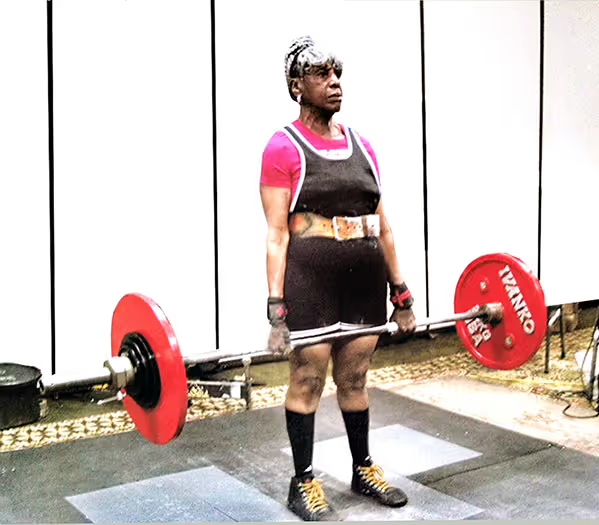
Every culture has expectations about aging. Most of them are more restrictive than they need to be. Older adults are supposed to slow down. Take it easy. Not embarrass themselves trying new things. Stick to what they know. Dress a certain way. Talk about certain topics. Not learn to surf, or take up the drums, or take up golf at seventy, or start a podcast, or fall in love again, or move somewhere new just because they've always been curious about it.
Where do these rules come from? Not from research on what supports a long, healthy life. If anything, that research points in the other direction. Curiosity, novelty, and continued engagement with new experiences are among the strongest predictors of cognitive vitality and life satisfaction in later life. Much of what we think of as acting your age is cultural inheritance, and cultural inheritance is worth questioning.
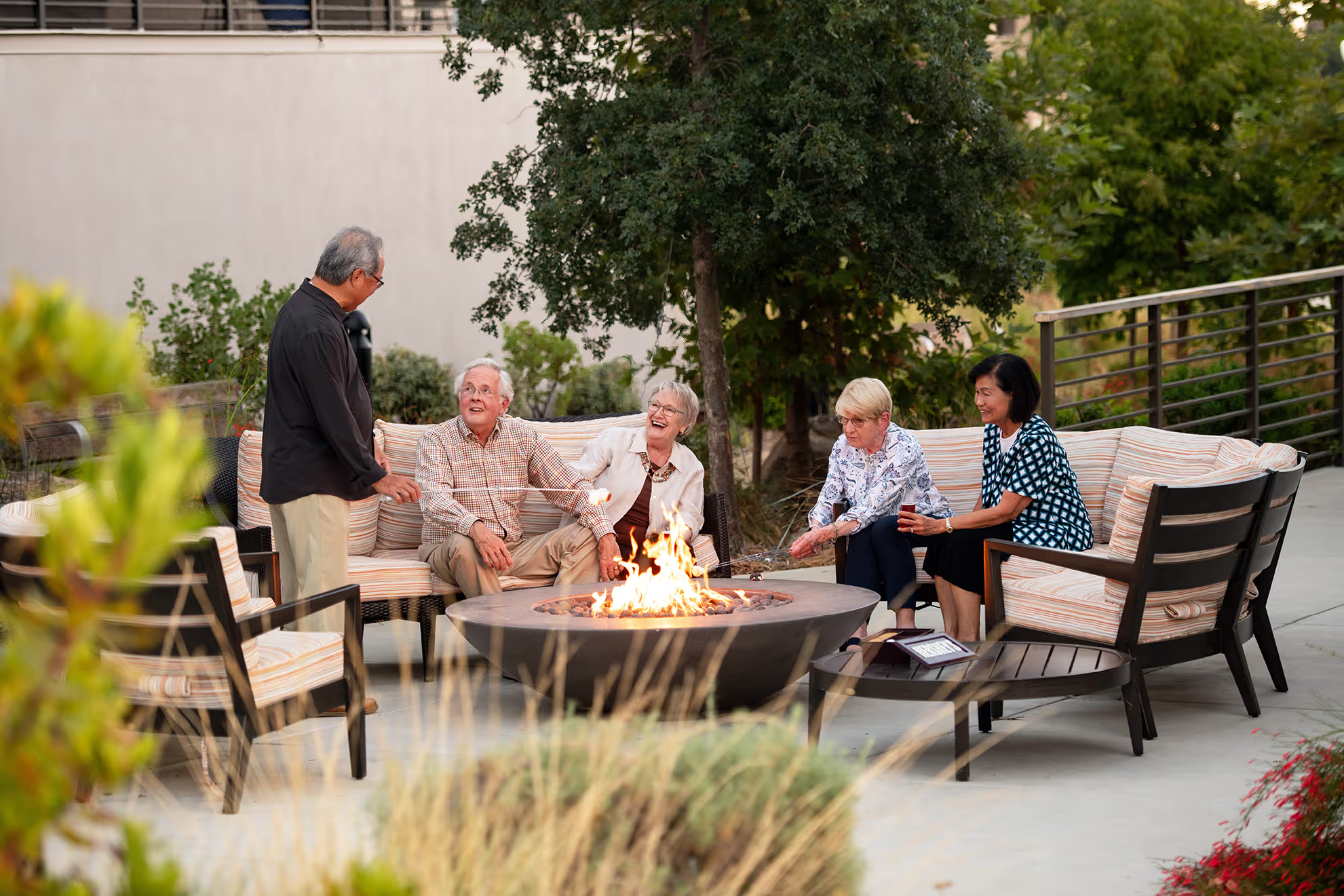
At Paradise Valley Estates, the working assumption is that residents are still adding to their lives. This Fairfield life plan community is designed around that mindset.
Becoming a Beginner Again
Novelty is a specific kind of engagement for the brain. Trying something new, even something modest, requires focus, tolerance for uncertainty, and a willingness to be visibly bad at something before getting better.
Adults get out of practice with all three. The middle of life tends to reward becoming more expert in fewer things, which is efficient but limiting. Becoming a beginner again means giving up expertise, on purpose, in exchange for the growth that only comes from being new to something.
The subject can be almost anything. A language, an instrument, a sport, a craft, a technology, a form of art, a cuisine, a route. What matters is the friction of learning, and the small daily rewards of noticing yourself getting better.
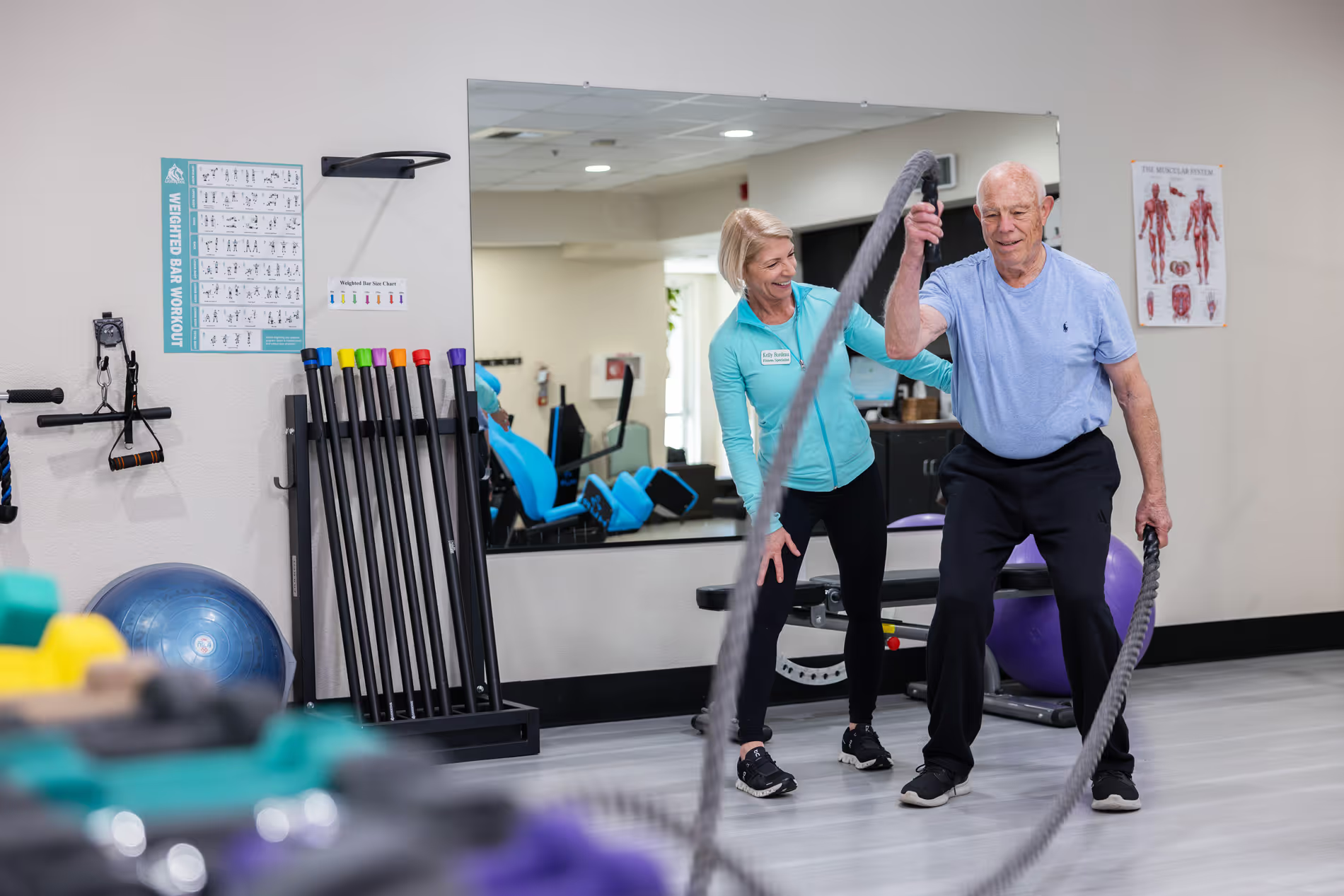
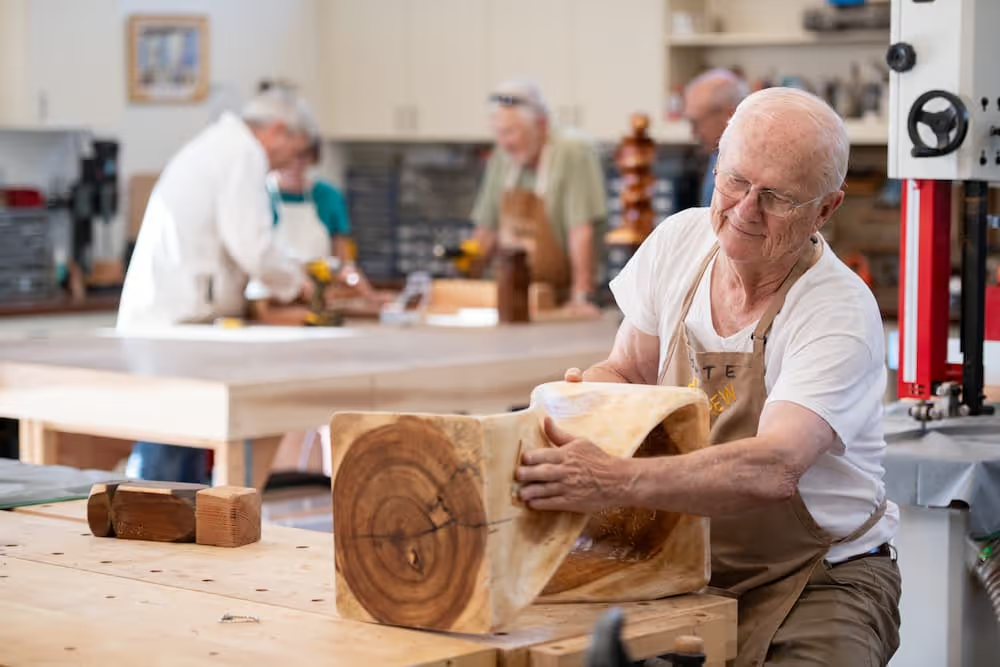
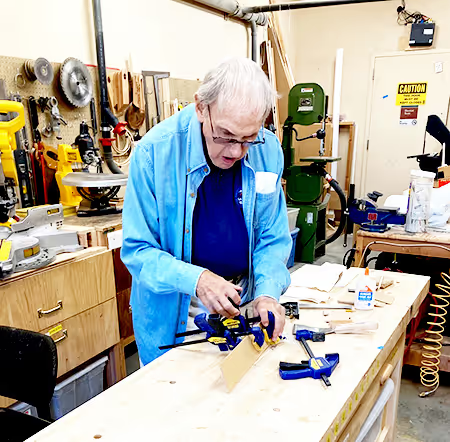
At Paradise Valley Estates, curiosity is the norm. Lifelong Learning programming, art studios, the woodshop, resident-led clubs, and the informal invitations to try what a neighbor is already doing all make room for beginners.
Living Better for Longer
Curiosity keeps the brain flexible, which supports memory and cognitive function well into later life. Engagement with new experiences builds the muscle for change, which matters in a phase of life when change tends to arrive whether invited or not. Strong social ties, cultivated through shared activities and shared curiosity, tend to correlate with longer, healthier lives.
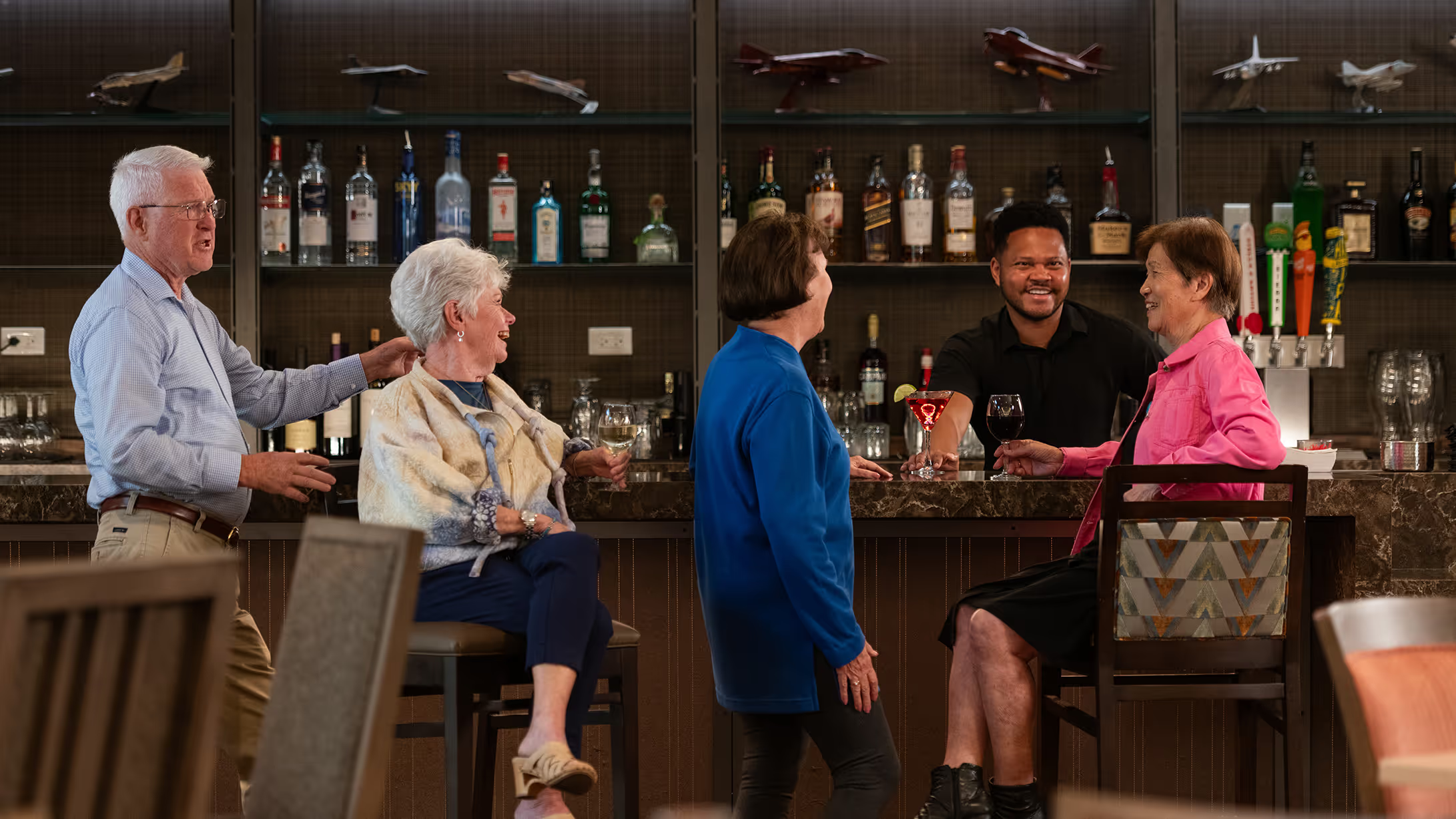
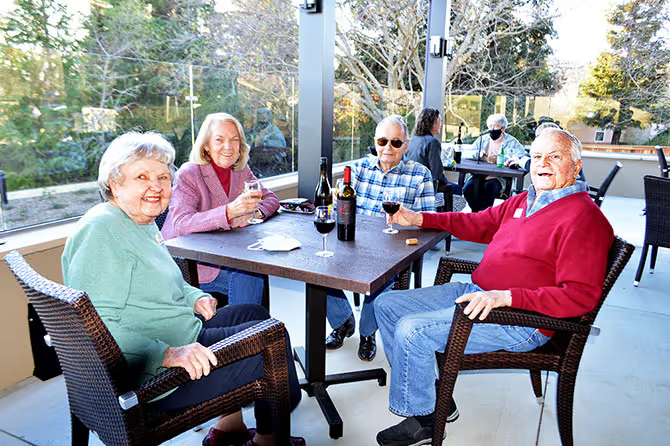
The research on this is consistent. People who stay curious, engaged, socially connected, and open to new experiences tend to live longer, healthier lives. These qualities reinforce each other. Curiosity leads to new activities, new activities lead to new people, and a wider social world sustains engagement over time. It is the same pattern that appears in the world's longest-lived communities.
Acting your age, whatever that's supposed to mean, is not required. Living well and living long may depend, in part, on staying willing to be curious, engaged, social, and open to what comes next.
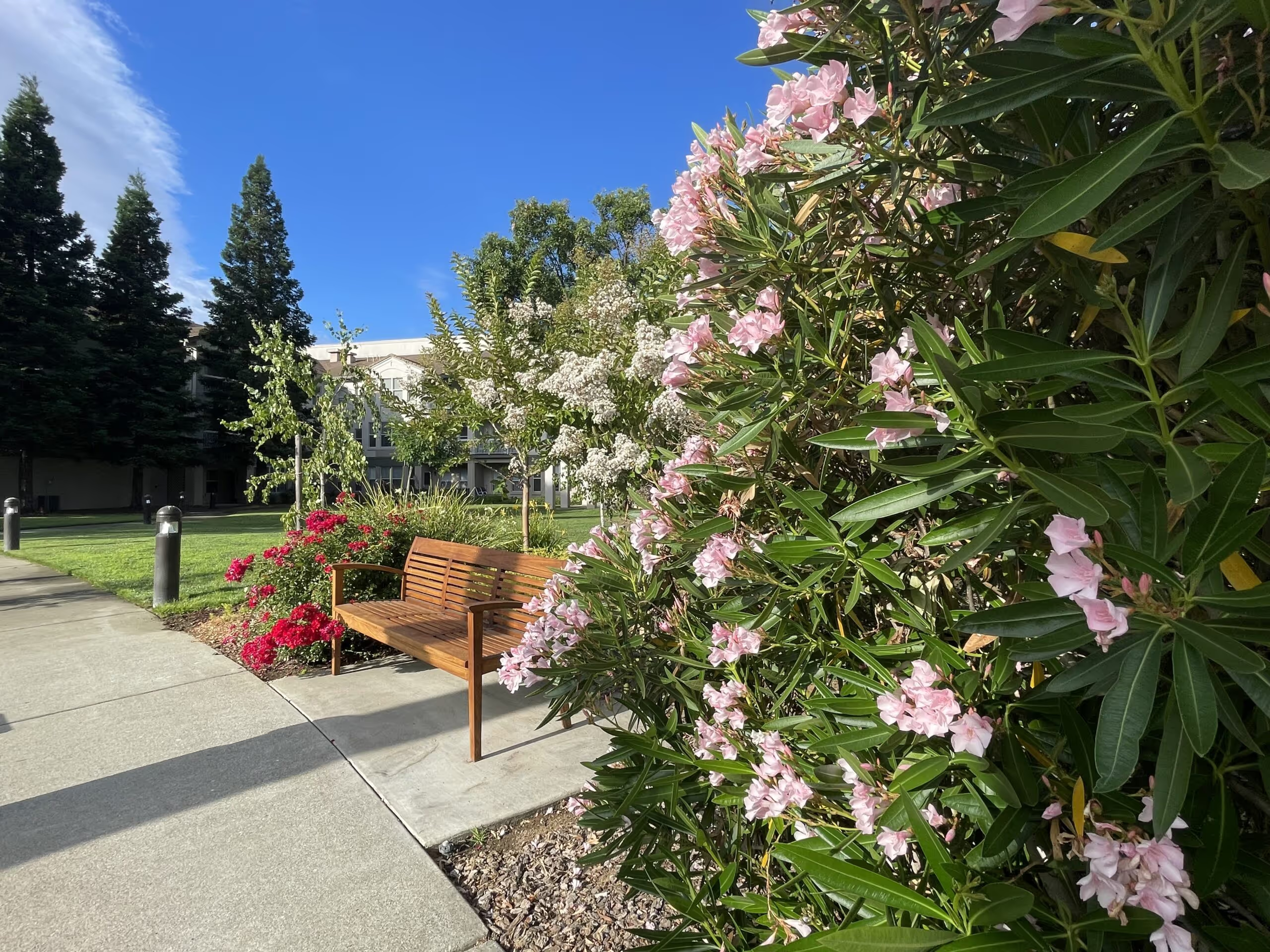
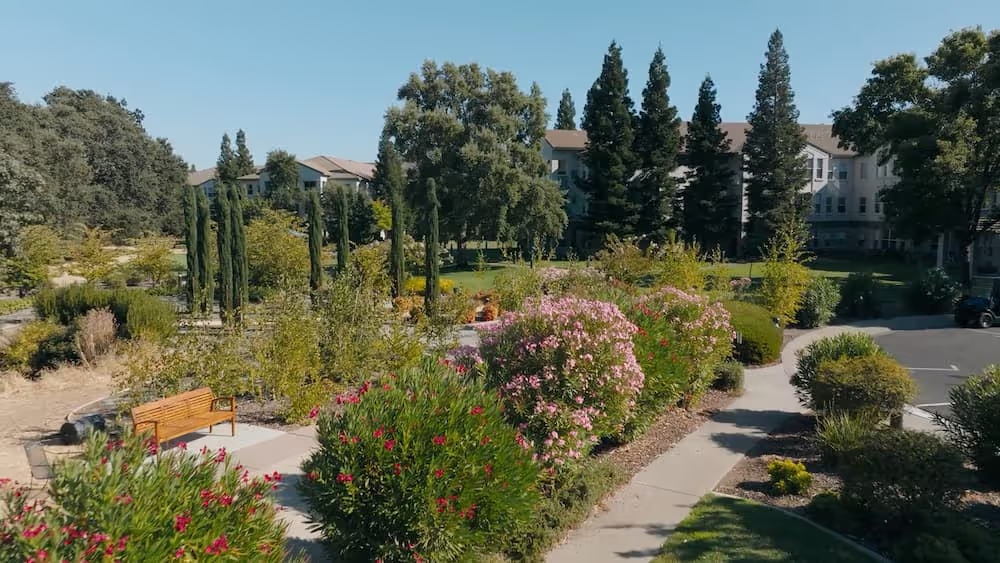
At Paradise Valley Estates, that willingness is the norm. Residents follow what interests them, meet others in the pursuit, and keep growing alongside a community built to support it. Come walk the campus and see it firsthand.